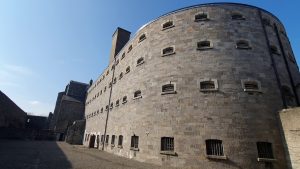
Kilmainham Gaol played a pivotal role during the years when Ireland was reshaping its political identity, and its influence extended far beyond the individuals held within its walls. Many of the leaders who guided the country toward independence spent decisive days here, confronting uncertainty while continuing to engage with the ideas that would guide the nation’s future. Visitors often sense the intensity of those moments when standing inside the preserved cells. The combination of isolation and reflection left a visible mark on the writings, correspondence and testimonies associated with that era. These sources show how individuals used their confinement to sharpen their convictions and communicate with supporters outside.
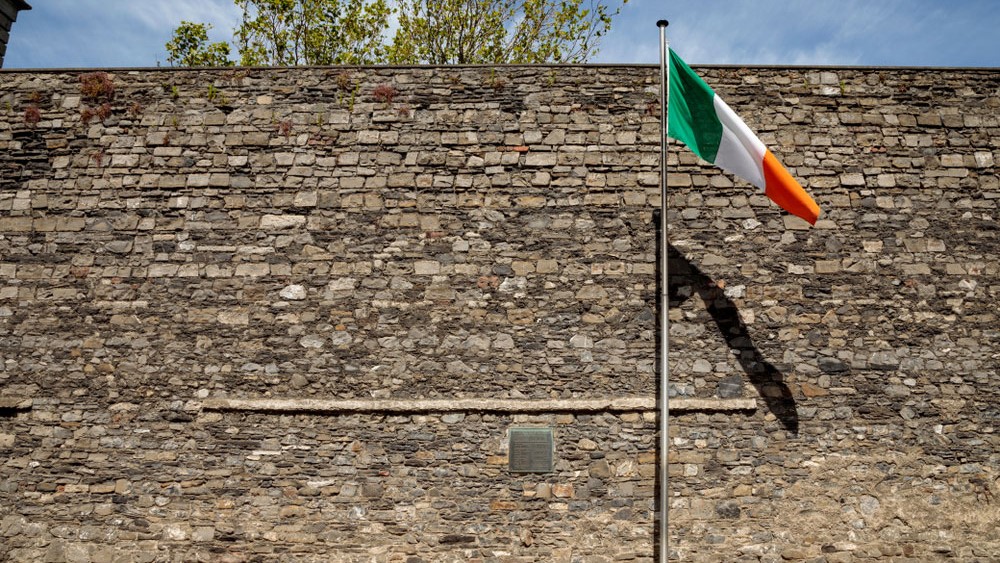
The gaol’s connection to the struggle for independence became most visible during the aftermath of the 1916 Rising. Several key figures were detained in Kilmainham, and their final days transformed the building into a symbol of national resolve. The courtyard where executions took place now stands as one of the most poignant areas of the museum. This space encapsulates the turning point when public opinion began shifting in favour of the movement. The starkness of the site reinforces the gravity of the decisions made by authorities at that time and the long-term impact those actions had on the trajectory of Irish history.
Yet Kilmainham’s influence did not begin or end with these high-profile events. The gaol had long been a place where political ideas circulated among inmates who shared a commitment to social change. Letters smuggled from cell to cell, conversations exchanged during limited periods of movement and the solidarity formed through shared hardship all contributed to a network of relationships that shaped future developments. These interactions reveal how confinement, rather than silencing political voices, sometimes intensified resolve and strengthened connections among individuals who would later guide national movements.
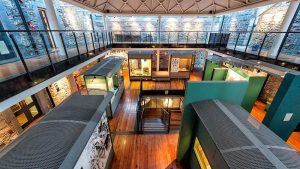
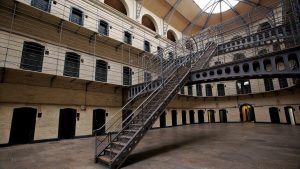
Today, visitors can walk through the same corridors and stand in the same rooms where these figures reflected on Ireland’s future. The preserved environment allows people to understand not only the historical timeline but the emotional atmosphere of the era. Kilmainham’s role in shaping the fight for independence lies in its dual identity: a place of restriction and a place of transformation. The building helped shape the character of those who passed through it, and their actions helped shape the country that emerged in the decades that followed. This connection continues to make the museum an essential site for anyone seeking to understand Ireland’s modern identity.