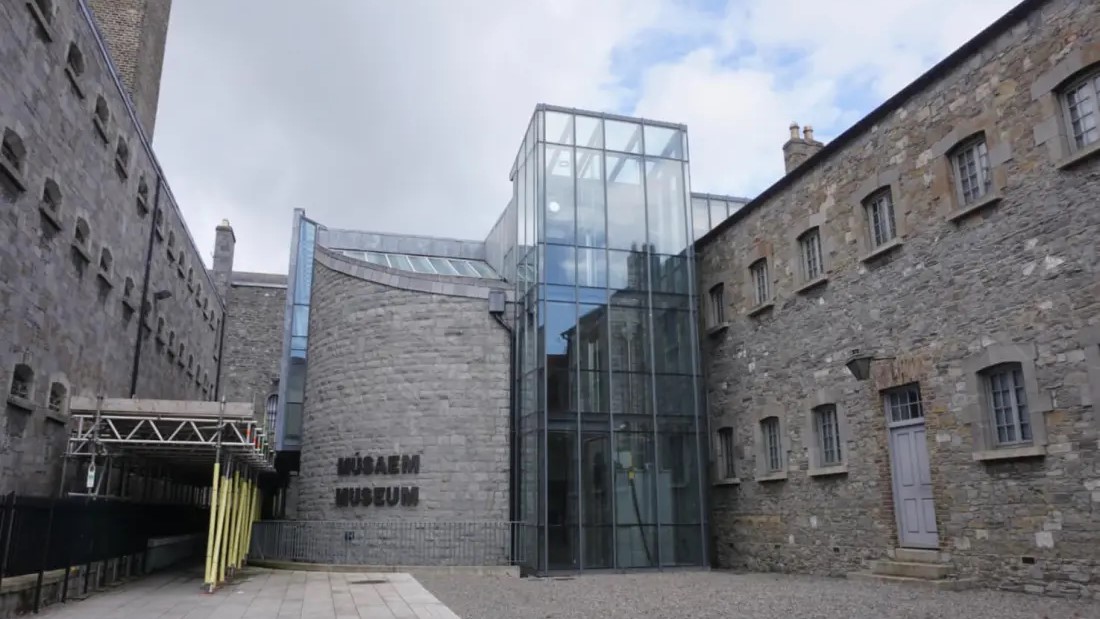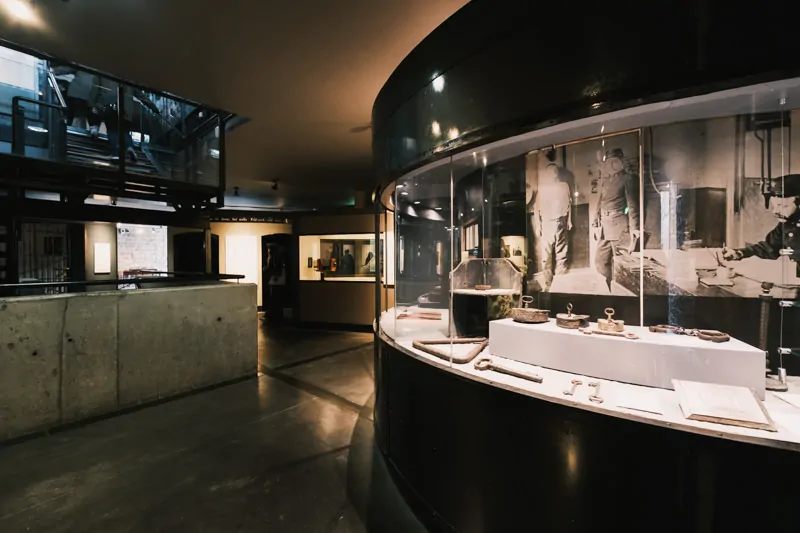


Learn how Kilmainham Gaol’s cells, corridors, and preserved records reveal generations of resilience and change.
Artline Journal writes for those who want to better understand the museum environment and its daily rhythm. We talk about exhibitions, galleries, curatorial work, changes in the funds and events that shape the cultural calendar. Our materials show the museum as a living space where new ideas, research and meanings are born.
We work with open sources, study contexts and present information in a clear form so that the reader can navigate topics related to art and museum infrastructure. Artline Journal articles are designed for calm reading and reflection, without excessive noise and overloaded formulations.

We work with open sources, museum documents and confirmed historical data. Each material is prepared with attention to accuracy, so readers receive context without conjecture and unnecessary interpretations. Our goal is to provide information that can be used as a basis for your own conclusions.

Artline Journal focuses not only on exhibitions and public events. We reveal processes that are usually overlooked: the preparation of rooms, the renewal of collections, the decisions of curators and the practices of preservation of exhibits. This allows us to see the museum as a complex living system, and not just as a space for display.

We create text-based itineraries, short overviews of the halls, and tips on choosing the right time to visit, so that your visit to the museum is comfortable and well-thought-out. For those planning a visit, the website provides a link to a page with information about tickets and organizational details, offering guidance for a smoother experience.

Kilmainham Gaol reflects social and everyday life from the late 18th to early 20th century. Its preserved corridors, cells and work areas show how people lived, worked and adapted to strict routines within the building.
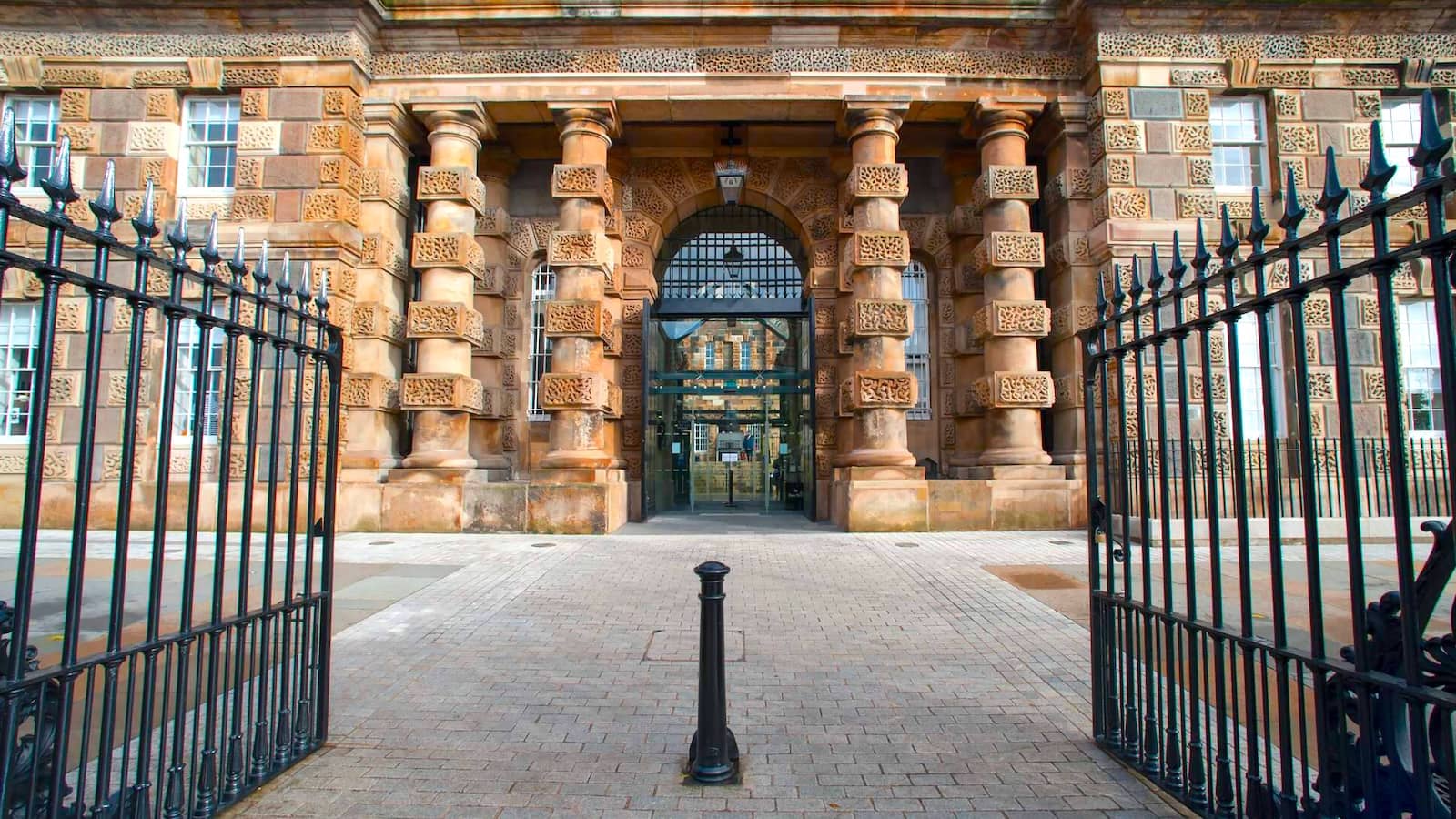
The gaol is one of the best-preserved examples of historical prison architecture in Ireland. Its original layout, materials and atmosphere remain largely intact, offering visitors a rare opportunity to step into an environment that has changed very little over time.
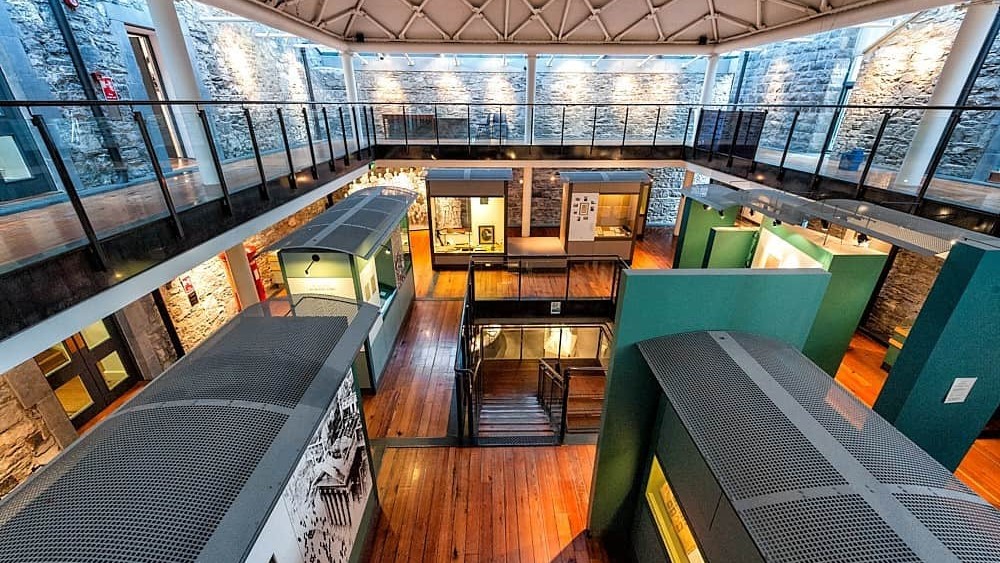
Many visitors are fascinated by the East Wing, with its curved balconies, open central space and distinctive ironwork. The design demonstrates how 19th-century architects approached order, visibility and movement inside large institutional buildings.
Yes. Historical records show that people followed strict schedules, with limited time outdoors and very structured work assignments. These routines help visitors understand how controlled life was inside large institutions of that era.
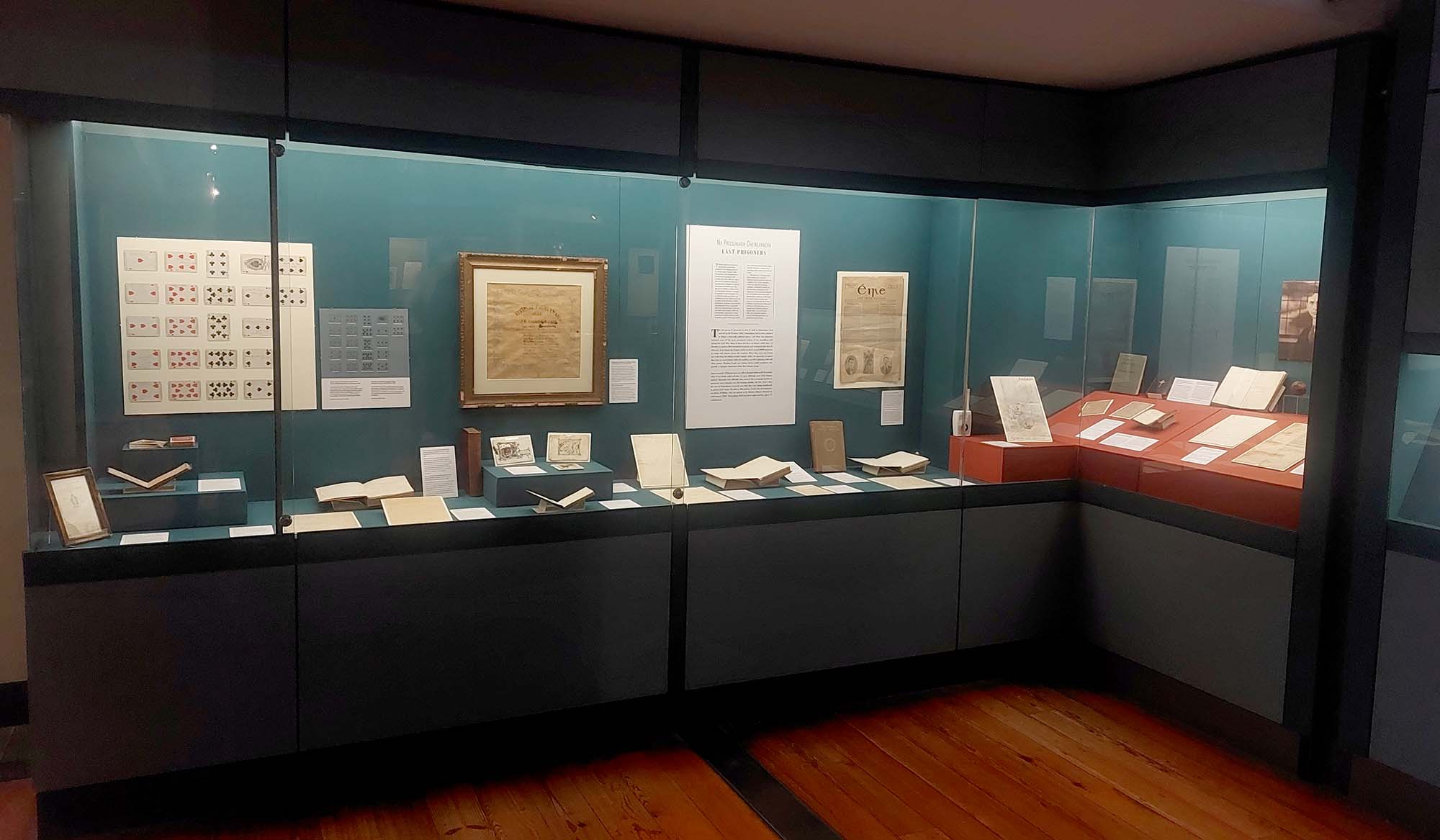
The museum preserves small items discovered during restoration: notes, clothing fragments, handmade objects and other personal pieces. These simple belongings reveal details about daily habits, creativity and the need for small comforts within a confined space.
The combination of stone walls, narrow corridors, iron staircases and natural acoustics creates a setting where the past feels very close. The museum maintains this authentic environment, allowing guests to experience the building much as it once was.
If you’re planning a visit and want guidance on timing, tickets or practical details, our team is available to assist. Send us a message, and we’ll provide the information you need so your preparation feels simple and well-organised.
28 Crumlin Rd, Crumlin, Dublin, D12 A06A, Ireland
Phone: +353 1 233 5414
Email: info@artlinejournal.com