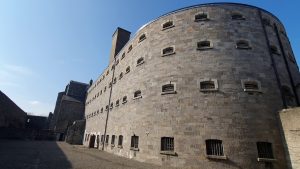
Daily life inside Kilmainham Gaol was shaped by strict routines and harsh conditions, and surviving records provide a vivid picture of how inmates navigated these constraints. Many visitors imagine the dramatic moments connected to political history, yet the majority of people held in the gaol lived through experiences defined by repetition, scarcity and uncertainty. Documents from the 19th century describe mornings that began before daylight, with prisoners assigned tasks according to their classification. Silence often governed interactions, and movement through the corridors followed rigid schedules. These details help illustrate how confinement affected not just the body but the rhythm of a person’s thoughts.
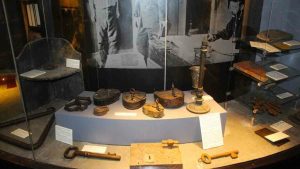
Food distribution, hygiene and access to basic necessities varied over the decades, but the early years were marked by overcrowding and limited resources. Reports from inspectors noted conditions that would be considered unacceptable today. Meals were simple and repetitive, and inmates depended heavily on discipline to cope with the monotony. Personal belongings were restricted, creating an environment where small privileges held significant meaning. Surviving records include notes about how individuals crafted makeshift items or repurposed scraps to add some comfort to their surroundings. These descriptions bring forward the human impulse to adapt, even in settings designed to suppress individuality.
Work assignments formed a central part of the daily routine. Some prisoners broke stones or participated in maintenance tasks, while others engaged in labour intended to instill discipline. These activities offered limited distraction from the constraints of confinement but also contributed to the gaol’s operations. Accounts written by former inmates describe how the weight of these duties shaped relationships among prisoners. Cooperation could foster a sense of shared resilience, while tension sometimes emerged as people navigated strict rules and limited space. The records capture both the camaraderie and the isolation that coexisted inside the walls.
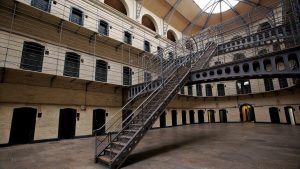
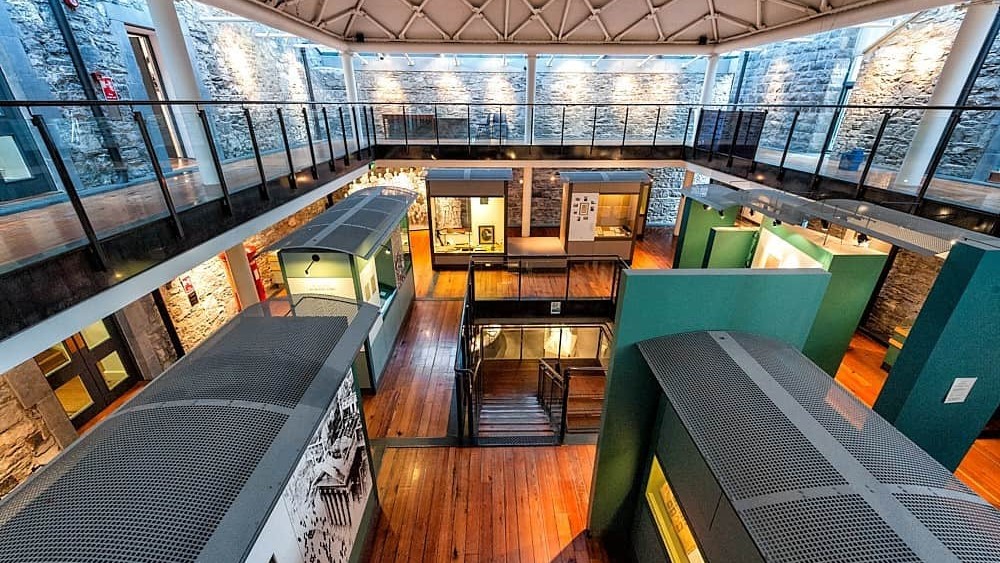
Evenings brought a temporary shift in atmosphere, though not always for the better. Once locked inside their cells, inmates faced long hours with minimal stimulation. Some turned to prayer or quiet reflection, while others struggled with the stillness. The limited light and confined surroundings reinforced the psychological burden of imprisonment. These details provide important context for anyone visiting the museum today. Understanding the realities of daily life inside the cells adds depth to the experience of walking through Kilmainham’s preserved spaces. It connects modern observers with the countless individuals whose lives were shaped by routines far removed from the dramatic events that dominate historical narratives.