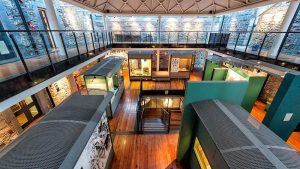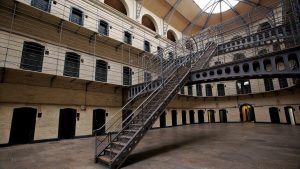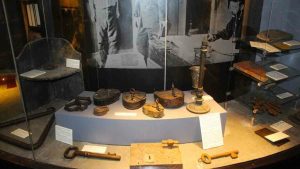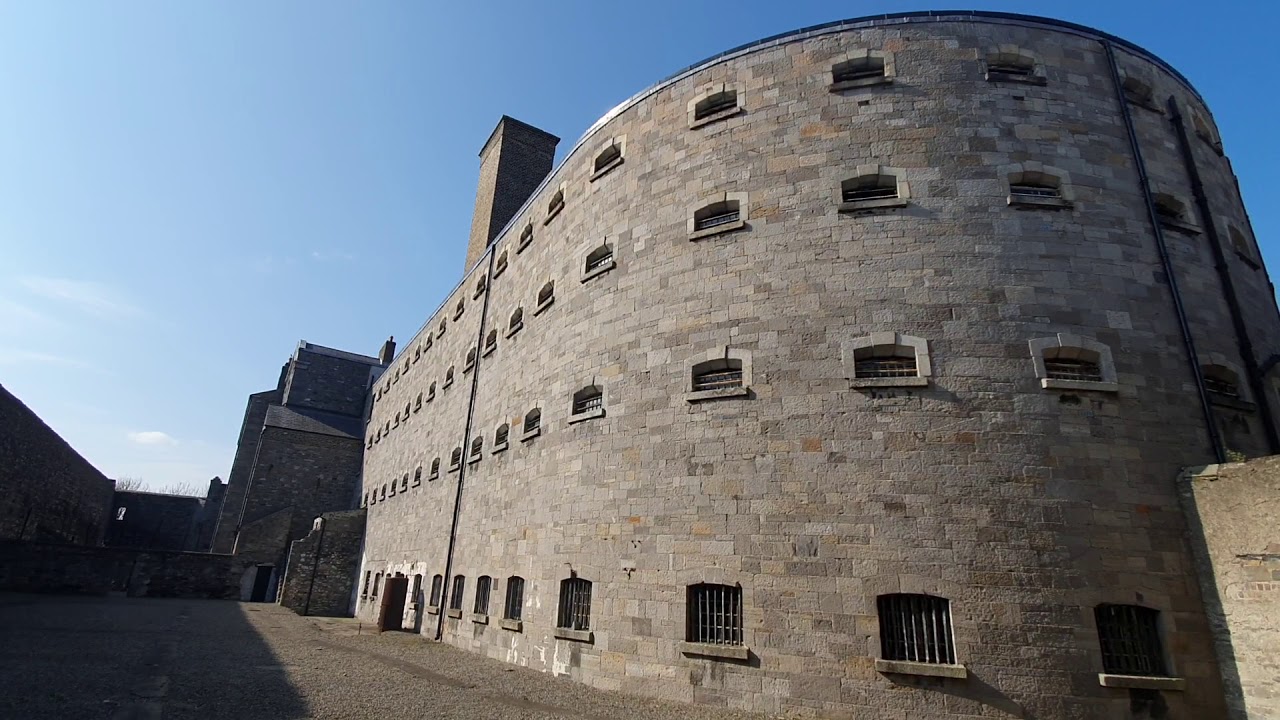
Kilmainham Gaol stands apart from other museums in Dublin because it offers an experience rooted not only in historical facts but in a raw sense of presence. Many visitors describe an emotional response the moment they step into the first corridor. The vast echoing halls, narrow stairways and ironwork create a physical environment that feels unchanged by time. Unlike curated exhibitions built from replicas or mounted displays, Kilmainham presents its past through the original structure. This authenticity makes the stories connected to the building feel immediate. It allows people to understand the scale of events simply by observing the distances between cells or the austere conditions that shaped the daily lives of inmates.
The museum’s significance is closely tied to Ireland’s political history, particularly the period of resistance that defined the early 20th century. Several key figures who influenced the direction of the nation spent time here, and the building witnessed moments that left a permanent mark on the national narrative. Guided tours recount these events with precision, but what often resonates most is the contrast between the ideals these individuals championed and the bleak environment in which they were held. Visitors can stand in the same courtyard where decisive events unfolded, a space that transformed from a place of punishment to a symbol of resilience. That connection between physical location and national memory is one reason the museum remains so compelling.
Yet Kilmainham’s impact extends beyond major political chapters. Its earlier decades reveal a different story about social conditions in Ireland. The records from the 18th and 19th centuries show communities grappling with poverty, overcrowding and a justice system that often placed vulnerable individuals in impossible positions. Many inmates arrived at the gaol for minor offences rooted in hardship rather than malice. Their experiences help explain broader social pressures and the evolution of public policy. By acknowledging these lesser-known stories alongside the prominent political ones, the museum paints a more balanced portrait of the country’s development.
What keeps Kilmainham relevant today is its ability to connect visitors with history in a direct, unembellished way. The building requires little interpretation; its authenticity serves as the main storyteller. Walking through its halls encourages reflection on how society has changed and how individuals once shaped events that now appear in textbooks. The museum remains one of Dublin’s most stirring sites because it presents history not as distant or abstract but as something rooted in real spaces and real lives. That sense of proximity ensures that each visitor leaves with a deeper understanding of the forces that shaped modern Ireland.