Kilmainham Gaol is known for its powerful history, but many visitors are unaware of the unusual and unexpected details that guides frequently highlight during tours. These stories might not appear in textbooks, yet they add colour and depth to the museum experience. One example involves the surprisingly young age of some inmates in the 19th century. Children were detained for offences that today would result in community support rather than imprisonment. Their presence inside the gaol reveals much about the era’s social conditions and the harsh realities faced by struggling families. This often shocks visitors, who are more familiar with the political chapters of the gaol’s story.
Another fact that surprises many is the role of women in the prison’s history. While Kilmainham is often associated with male political leaders, women were also held there throughout the 18th and 19th centuries. Some were involved in social protests, while others were detained for minor offences linked to poverty. Their stories shed light on the challenges faced by women at a time when legal and economic protections were scarce. Guides often describe examples of resilience, drawing attention to how these women formed support networks inside the gaol. These accounts help broaden the perspective of those who come expecting a narrative dominated solely by well-known political figures.
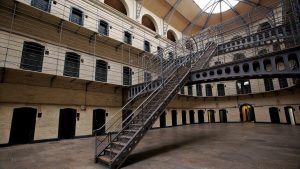
Kilmainham also has unexpected links to the arts. During the mid-20th century, long after its closure as a functioning prison, the building became a filming location for major international productions. Directors were drawn to its authentic appearance, which required little alteration. These cinematic connections continue to intrigue visitors, especially when guides point out scenes from well-known films that were shot in specific corridors. The contrast between Hollywood storytelling and the real events associated with the gaol adds an unusual layer to the site’s identity, reminding guests how historical spaces often gain new roles over time.
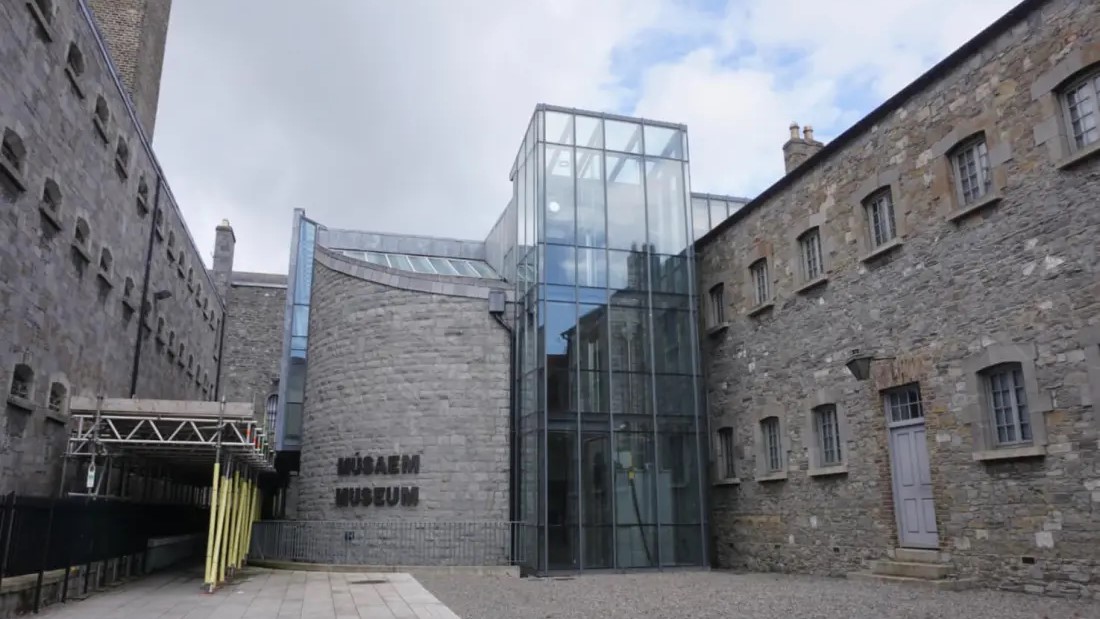
Finally, guides enjoy sharing lesser-known stories about the early efforts to save the building from demolition. Much of the restoration work was initially carried out by volunteers who recognised the cultural importance of the site. Their dedication laid the foundation for the museum that exists today. Visitors often find this part of the story inspiring, as it demonstrates how community effort can preserve places that might otherwise be lost. These surprising facts help shape a richer, more nuanced understanding of Kilmainham Gaol, leaving guests with insights that extend far beyond the standard historical timeline.