The restoration of Kilmainham Gaol stands as one of the most ambitious heritage projects undertaken in Ireland, yet its beginnings were far more modest than many visitors realise. When the building closed in the early 20th century, it faced years of neglect, with weather damage, structural weaknesses and widespread deterioration threatening its survival. Local groups recognised the cultural value of the gaol long before it became an official museum, and early volunteers played a crucial role in protecting what remained. Their efforts included clearing debris, stabilising walls and documenting fragile elements that risked disappearing forever. This grassroots phase of the restoration shaped the future approach to preserving the site.
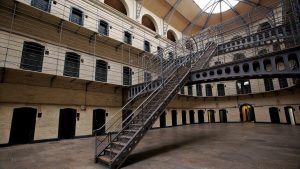
As national interest grew, architects and conservation specialists joined the project, working to balance the need for safety with respect for the original structure. Restorers faced difficult choices about which parts of the building to reinforce and which to leave unchanged to preserve historical authenticity. The team frequently consulted surviving records, photographs and first-hand accounts to determine how specific areas of the gaol should look. The iconic East Wing required particular attention, as its ironwork, staircases and balconies had weakened over the years. The restoration process aimed to stabilise the building while keeping visible the marks of age that make Kilmainham so distinctive.
One of the challenges involved assessing which features could be repaired using traditional methods and where modern techniques were necessary. Craftspeople revived older building practices, including stone dressing and ironworking, to ensure continuity with the original materials. At the same time, engineers implemented discreet reinforcements to meet contemporary safety standards. This blend of historical craftsmanship and modern engineering created a structure that remains faithful to its past while being accessible to large numbers of visitors. Many of the decisions made during this phase continue to influence how heritage sites across Ireland approach preservation.
Today, those who walk through Kilmainham Gaol encounter a restored environment that avoids excessive polish. The building retains a raw, honest atmosphere, reflecting the philosophy behind its reconstruction. Rather than erasing signs of hardship, the restoration preserved them, allowing the gaol to communicate its history without embellishment. Visitors can still see weathered stone, worn steps and original iron bars, all carefully stabilised but left in place. The project succeeded not just in saving a historic site but in ensuring the building remains a powerful and credible witness to the past. The restoration’s legacy lies in its respect for authenticity, which continues to shape the experience of everyone who enters the gaol.