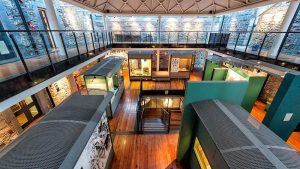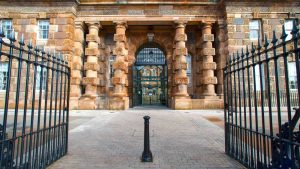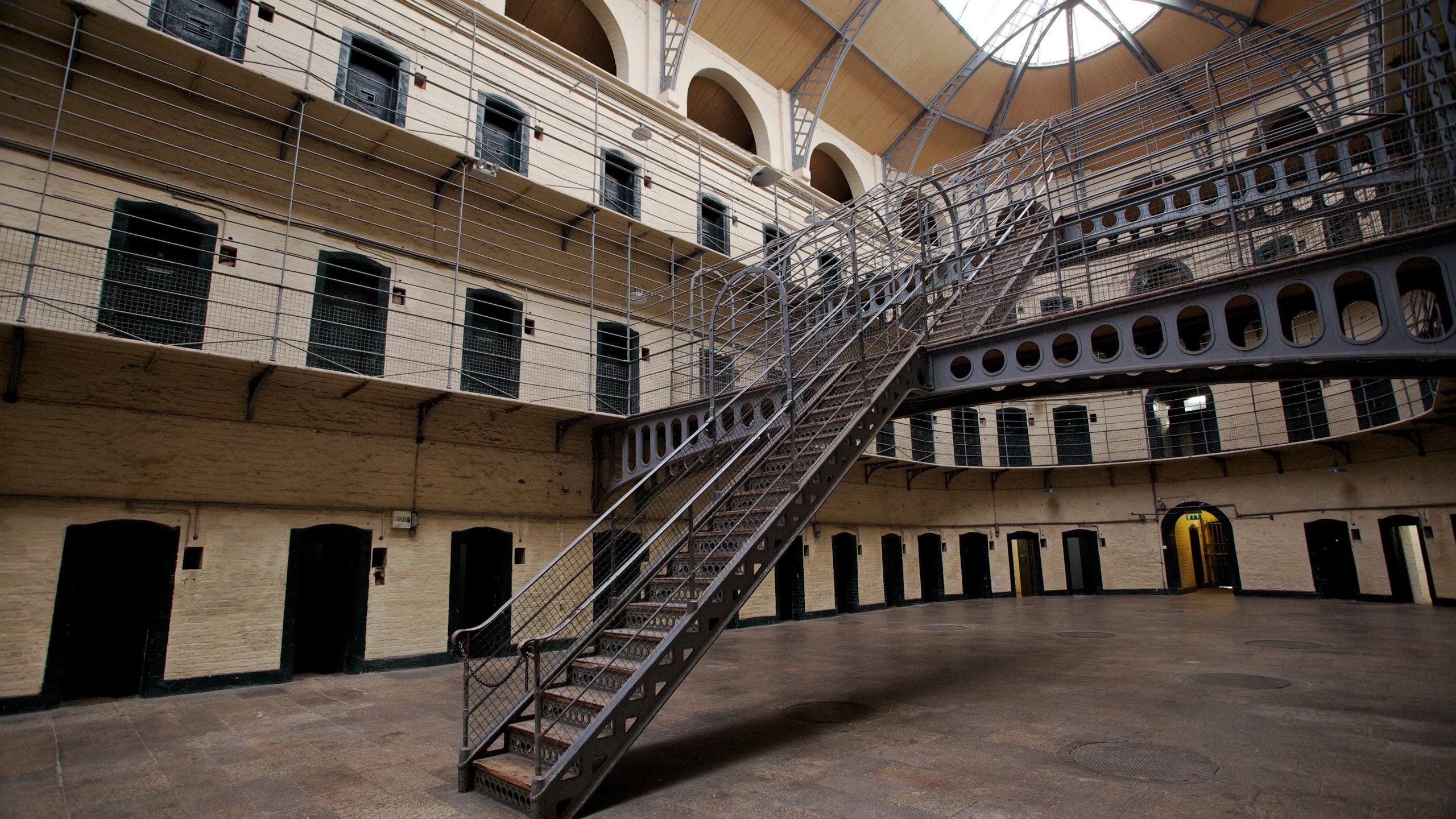
Kilmainham Gaol is often described as a place shaped by national history, yet many of its most striking stories come from quieter corners of the building. Visitors who take time to look beyond the major exhibits often notice small details—scratches on the stone, worn floor patterns, faint marks on the iron doors—that reveal a timeline far broader than the political events most people associate with the site. These marks were left by individuals who lived ordinary lives before the cells filled with well-known figures. Their stories rarely appear in archives, but the physical space still holds them. Even a brief pause inside one of the older corridors can spark a sense of how many personal moments unfolded there long before the museum existed.
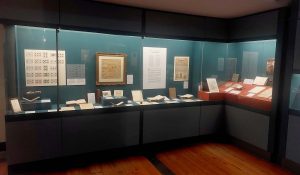
The gaol’s early years show a system that swept up people from many backgrounds, including those who were not tied to uprisings or public movements. The conditions they faced were severe, and their experiences are often overshadowed by the better-documented decades that followed. Yet scattered items uncovered during restoration work—small religious tokens, pieces of clothing, fragments of letters—hint at personal narratives that may never be fully known. These objects offer valuable insight into how inmates held on to identity and dignity in an environment designed to strip both away. In this sense, the walls become an informal archive of stories too fragile to survive in written form.
Political chapters remain an essential part of Kilmainham’s identity, but even they hold hidden layers. Many of the leaders detained during the struggle for independence left behind unexpected details: sketches on cell walls, notes exchanged through improvised methods, or quiet routines formed in the final days before major turning points. These details shift the focus from public achievements to private reflections. They remind visitors that the people now celebrated for their role in shaping Ireland once faced long stretches of uncertainty within the austere setting of the gaol. Understanding these personal elements helps build a more complete picture of their strength and vulnerability.
Modern visitors often comment on the atmosphere that seems to linger in the building, and this response is not surprising. The structure has remained largely intact, allowing present-day observers to walk through the same spaces where thousands once confronted decisive moments in their lives. While the museum provides important historical context, the building itself contributes a deeper form of storytelling. Every corridor carries its own collection of memories, built up through decades of hardship, resistance and quiet endurance. These subtle traces encourage visitors to look beyond the familiar accounts and consider the many untold stories that remain woven into the fabric of Kilmainham Gaol.