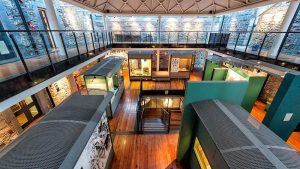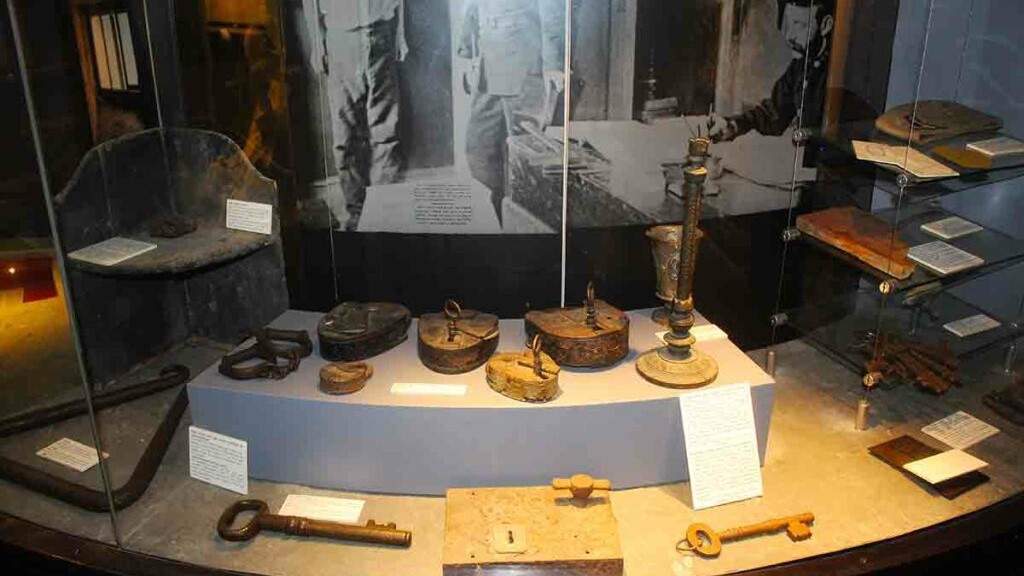
Kilmainham Gaol contains well-known exhibits, but many of its most intriguing objects often go unnoticed by visitors focused on the broader storyline. These smaller items offer a unique window into personal experiences and forgotten chapters of the gaol’s past. Simple belongings such as rosary beads, carved wooden pieces or tattered scraps of fabric often reveal more about daily life than formal documents. These objects were created or preserved in moments of vulnerability, and their quiet presence adds texture to the museum’s larger narrative. Observing such details encourages visitors to think about the individuals whose lives unfolded far from public attention.
Some of the most compelling artefacts were uncovered during restoration work, when teams removed debris and examined long-sealed areas of the building. Among these discoveries were improvised tools, handwritten fragments and small tokens that inmates kept hidden. Each item tells a story about resilience, resourcefulness or the need for personal expression in restrictive conditions. These objects remind historians that many inmates relied on creativity to cope with the psychological demands of confinement. They also illustrate how everyday gestures—marking a date, shaping a piece of wood, saving a note—helped preserve a sense of identity inside the gaol.
Visitors interested in political history may be surprised to learn that several lesser-known exhibits relate to the early stages of Ireland’s independence movement. Beyond the famous documents and symbolic spaces, the museum preserves items that belonged to individuals who played supporting roles rather than headline-making ones. These belongings shed light on the broader network of people who contributed to political change. Their stories provide valuable context for understanding how movements grow not only through prominent leaders but through the actions of individuals whose names rarely appear in textbooks. By paying attention to these quieter exhibits, visitors gain a more complete understanding of the era.
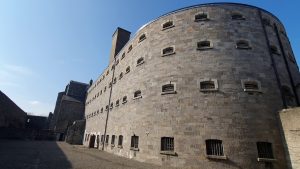
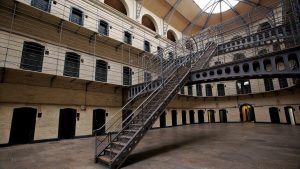
Taking time to appreciate these rare objects changes the way many people experience the museum. Rather than viewing Kilmainham solely through its dramatic historical chapters, visitors begin to see it as a place shaped by countless personal stories. The smaller artefacts offer intimacy, while the preserved structure conveys the broader historical backdrop. Together, they create a balanced perspective that highlights both the human and historical dimensions of the gaol. For those willing to slow down and observe, Kilmainham offers far more than its major exhibits suggest. Each object contributes to the ongoing effort to understand a past that continues to resonate in modern Ireland.