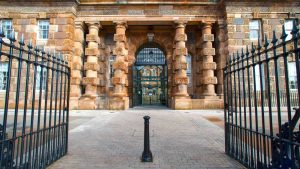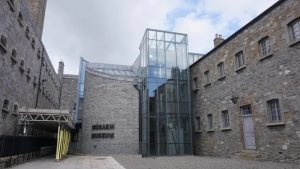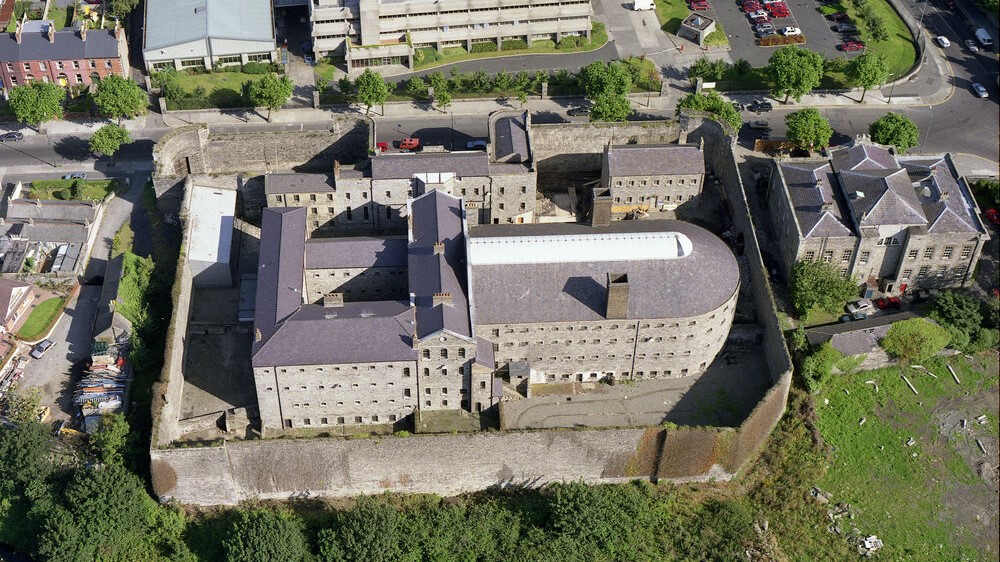
A visit to Kilmainham Gaol introduces guests to one of Ireland’s most carefully preserved historical environments. While the guided tour provides a strong foundation, many newcomers appreciate some direction on the exhibits that tend to leave the strongest impression. The museum is vast and layered, with corridors that reveal different periods of Irish history. Entering the East Wing, visitors often pause at the sheer scale of the structure. Its curved balconies, towering walls and natural light create an atmosphere that contrasts sharply with the stories told about the inmates who once lived there. This architectural space alone could stand as a significant exhibit, as it captures the tension between design and confinement.
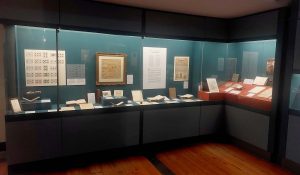
Among the museum’s curated displays, the personal belongings of former inmates consistently draw attention. Items such as pocket watches, handwritten notes and fragments of clothing speak more directly to human stories than any formal record. These objects highlight how individuals adapted to conditions inside the gaol and how they maintained a sense of identity despite the restrictions placed upon them. Visitors often find themselves lingering in front of cases that contain small tokens with deep emotional weight. These details invite consideration of the daily routines that shaped life behind the walls and provide a counterpoint to broader historical narratives.
The museum also preserves documents that outline key political events linked to the gaol. Records from the early 20th century reveal how significant turning points in Ireland’s push for independence unfolded within these walls. The signed statements, official orders and correspondence produced during that period offer insight into both the strategic and personal dimensions of the movement. Standing near the cells of prominent leaders, visitors can better grasp the intensity of those final days before decisive actions were taken. The documents, paired with the physical spaces where leaders were held, help create a fuller understanding of the stakes involved.
Before leaving the site, many visitors spend time in the courtyard, where several landmark events took place. The space carries an undeniable weight, even without extensive explanation. Its simplicity—bare stone, open sky and the surrounding walls—allows the significance of the place to settle naturally. Guides often share accounts that give context, but the atmosphere speaks on its own. Kilmainham’s exhibits succeed not because of dramatic presentation but because of the honesty of the preserved environment. For anyone exploring Dublin’s historical sites, this museum offers a rare opportunity to experience history where it unfolded.